

All cells in the body have the same set of genes, but use different genes to develop into different types of cells. The epigenome controls this process by activating and deactivating cell type-specific genes. The hormones that regulate blood sugar, insulin and glucagon, are produced by cells in the pancreas. Insulin, which lowers blood sugar, is produced in the pancreas’s beta cells, whilst glucagon, which raises blood sugar, is produced in alpha cells. When the balance between the two hormones is disrupted, the risk of high blood sugar levels, and in the long run type 2 diabetes, increases.
Mapping epigenetic patterns in diabetes
By analysing hundreds of thousands of such cells from 24 people, both with and without diabetes, researchers in Lund were able to map how epigenetic patterns control gene activity in the cells and how this changes in diabetes. The results show how epigenetic changes affect the cells that regulate blood sugar, and how these changes differ between people with and without type 2 diabetes. This mapping study is the first of its kind.
“It has made it possible, for the first time, to describe detailed, cell-specific epigenetic patterns. The study shows that many genes central to insulin and glucagon production are regulated by differences in DNA methylation,” says Charlotte Ling, Professor of Epigenetics at Lund University and the lead author of the study.
DNA methylation and gene regulation
DNA methylation is an epigenetic process in which small chemical groups are attached to DNA to control how the cell’s genes are used, without changing the actual DNA sequence. To see if they could influence the genes in the insulin-producing cells themselves, the researchers altered the DNA methylation near the genes for insulin and glucagon. This part of the study was carried out on cultured beta cells.
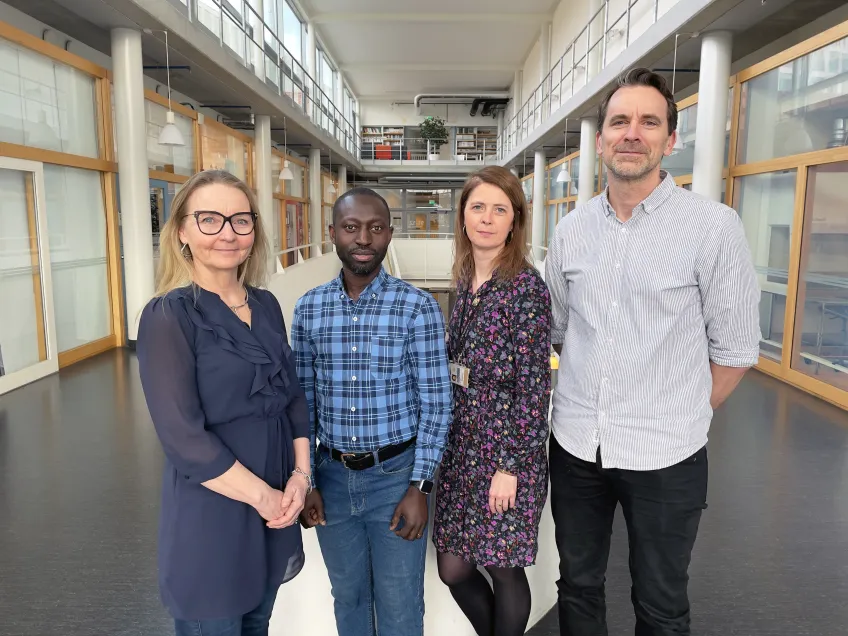
“Here, for the first time, we show exactly which regions regulate insulin and glucagon production through DNA methylation, which gives us the opportunity to develop future treatments based on epigenetics,” says Charlotte Ling.
A particularly important finding in the study concerned a specific transcription factor – a protein that tells the cell which genes to use and in what quantities. The transcription factor ONECUT2 was found to be epigenetically elevated in beta cells from people with type 2 diabetes. Elevated levels of ONECUT2 impaired the beta cells’ energy production and their ability to release insulin – a mechanism that may contribute to the development of the disease.
“This gives us a deeper understanding of why beta cells lose their function in diabetes. In the longer term, this knowledge could help us identify new, personalised treatment targets,” says Charlotte Ling.
If epigenetic changes can be controlled to some extent, this could pave the way for future treatments that target the cell types affected by diabetes.
“We now want to understand which of these changes can actually be reversed, and whether this can help beta cells regain their function in diabetes. A key aspect is to see whether the effects of editing DNA methylation can be sustained in the cell over time,” says Charlotte Ling.