

Immunotherapy harnesses the body’s own immune system to fight disease and has great potential, both in cancer and in autoimmune diseases where established treatments are insufficient.
To capitalise on this development, a joint hub for stakeholders in the field is now being established at Lund University’s Faculty of Medicine, Faculty of Engineering (LTH) and Skåne University Hospital. The aim is to create a long-term research and innovation environment where new immunotherapies can reach patients more quickly.
“It is gratifying that we have succeeded in bringing together expertise in research, innovation, engineering and clinical application. Through this initiative, we are in a unique position to drive the development of next-generation immunotherapies forward,” says Maria Björkqvist, Dean of the Faculty of Medicine at Lund University.
A concrete example of developments in the field is CAR-T therapy.
“Recently, medicine has made a major breakthrough. Through immunotherapy, we have learnt to utilise and control the immune system to treat previously incurable diseases. CAR-T therapy is one such example where terminally ill patients with, for instance, lymphoma or myeloma can now be cured,” says Stefan Jovinge, Head of Research at Skåne University Hospital.
The initiative is based on the Lund Model, where early-stage research development is integrated with clinical conditions, regulatory processes and innovation support. Within the framework of the collaboration, joint recruitment drives are also planned, including for associate senior lecturers/assistant professors and a strategic professorship recruitment in 2026.
For more information on the positions, please see fact box.
“The collaboration between Lund University and Skåne University Hospital improves our ability to attract leading researchers and secure the supply of expertise. By combining excellence in basic research with clinical application, we are creating opportunities to develop new treatments more quickly for conditions that are currently difficult to treat, for the benefit of patients and society,” says Erik Renström, Vice-Chancellor of Lund University.
The memorandum of understanding marks a shared, long-term ambition to make a significant investment in immunotherapy. Based on this, an organisational structure and a formal cooperation agreement will now be drawn up.
Together for the next generation of immunotherapies – voices from committed stakeholders
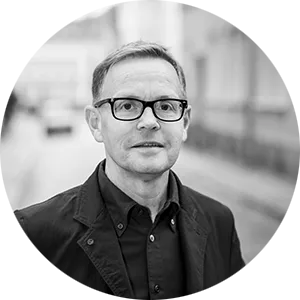
Mats Jerkeman, Professor at Lund University, Senior Consultant at Skåne University Hospital, Director of the Lund University Cancer Centre (LUCC)
“Immunotherapy is one of the strongest research areas within LUCC, and we are grateful for this major joint initiative from Skåne University Hospital and Lund University. We already have unique resources in the form of a pre-GMP device/unit and a hospital-affiliated GMP facility (ATMP Centre), but LUCC’s researchers also require expertise relating to in vitro and in vivo safety studies, as well as regulatory support, to take a product to clinical trials. The aim of the initiative is, of course, to enable a number of drugs to reach the clinic within the next 10 years.”
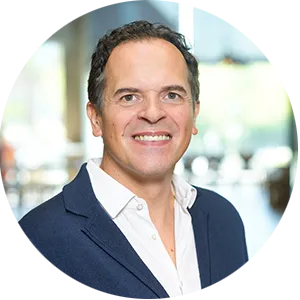
Filipe Pereira, Professor at Lund University, research team leader at the Stem Cell Centre, LUCC
“This initiative comes at a transformative moment. Immunotherapy has shown curative potential, but most patients still do not benefit. The initiative is built on decades of advances in our understanding of tumour-immune interactions, which have created the tools to actively shape immune responses and create new forms of immunity to treat cancer. By combining discovery, engineering and clinical translation in one environment, Lund is uniquely positioned to drive the next generation of immunotherapies that are more effective and broadly accessible. The next breakthroughs in cancer immunotherapy will come from building immunity by design. This initiative creates the ecosystem needed to turn that vision into reality.”

Sara Ek, Professor at Lund University, Director of CREATE Health
“Broad, cross-faculty initiatives involving various disciplines from the outset are crucial to driving the development of immunotherapy forward rapidly. This is an approach already being applied in the L2CancerBridge programme’s immunotherapy initiative, which brings together engineering, medicine and clinical expertise in a shared vision to accelerate the development of next-generation precision-based immunotherapy for cancer with clear patient benefits. This further initiative at Lund University lays the foundation for a long-term and cohesive ecosystem in which LTH, the Faculty of Medicine and Skåne University Hospital jointly drive the next generation of cancer treatment. CREATE Health, as a centre of excellence in the field, views the increased focus on immunotherapy positively.”
Kristian Pietras, professor at Lund University, research team leader, L2 Cancer Bridge/CREATE Health

“Making new, effective immunotherapies available to broad patient groups requires access to the entire translational chain, from discovery to the clinic. At L2CancerBridge, our vision is to build a unique environment for the development of advanced antibody and cell therapy platforms, and the new initiative in immunotherapies at Lund University connects us directly to clinical expertise at Skåne University Hospital. The strategic initiative to recruit promising international researchers in immunotherapies brings new scientific leadership at a crucial moment for the field.”

Anna Falk, professor at Lund University, Director of the LU-ATMP Centre
“Investment in excellent research in immunotherapies needs to be matched by infrastructure and expertise in process development and regulatory matters – something that has been established through previous major initiatives by Lund University and Skåne University Hospital, namely the pre-GMP facility and the GMP manufacturing unit respectively. This initiative will further strengthen the region within ATMP, where we aim to be among the world leaders by 2035.”
Gisela Helenius, head of the ATMP Centre at Skåne University Hospital

“Translating research into patient treatment is a complex process requiring the involvement of many different areas of expertise at various stages. Therefore, effective collaboration and coordination throughout the entire translation process are the most crucial factors for success. I believe this initiative will lead to new clinical trials involving immunotherapies, thereby giving more patients access to new, potentially curative treatments.”